Therapists for Anxiety, Depression and Couples

Make your mental health a priority. Schedule a free screening call today!

Therapists for Anxiety, Depression and Couples

What Does High‑Functioning Depression Look Like?

Author

Jessica January Behr, Psy.D.

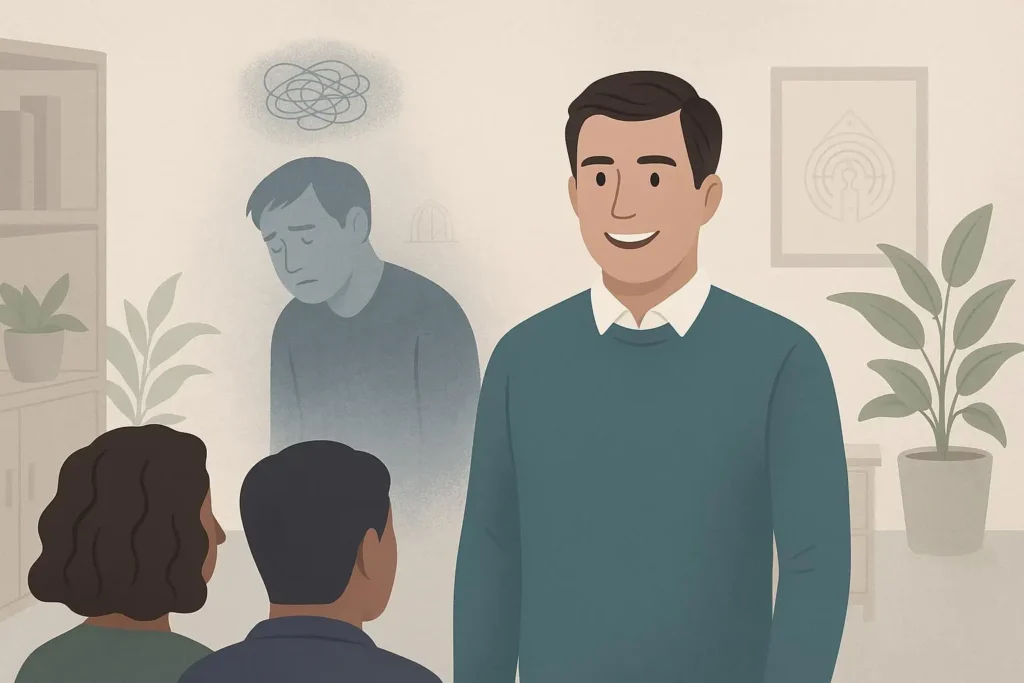
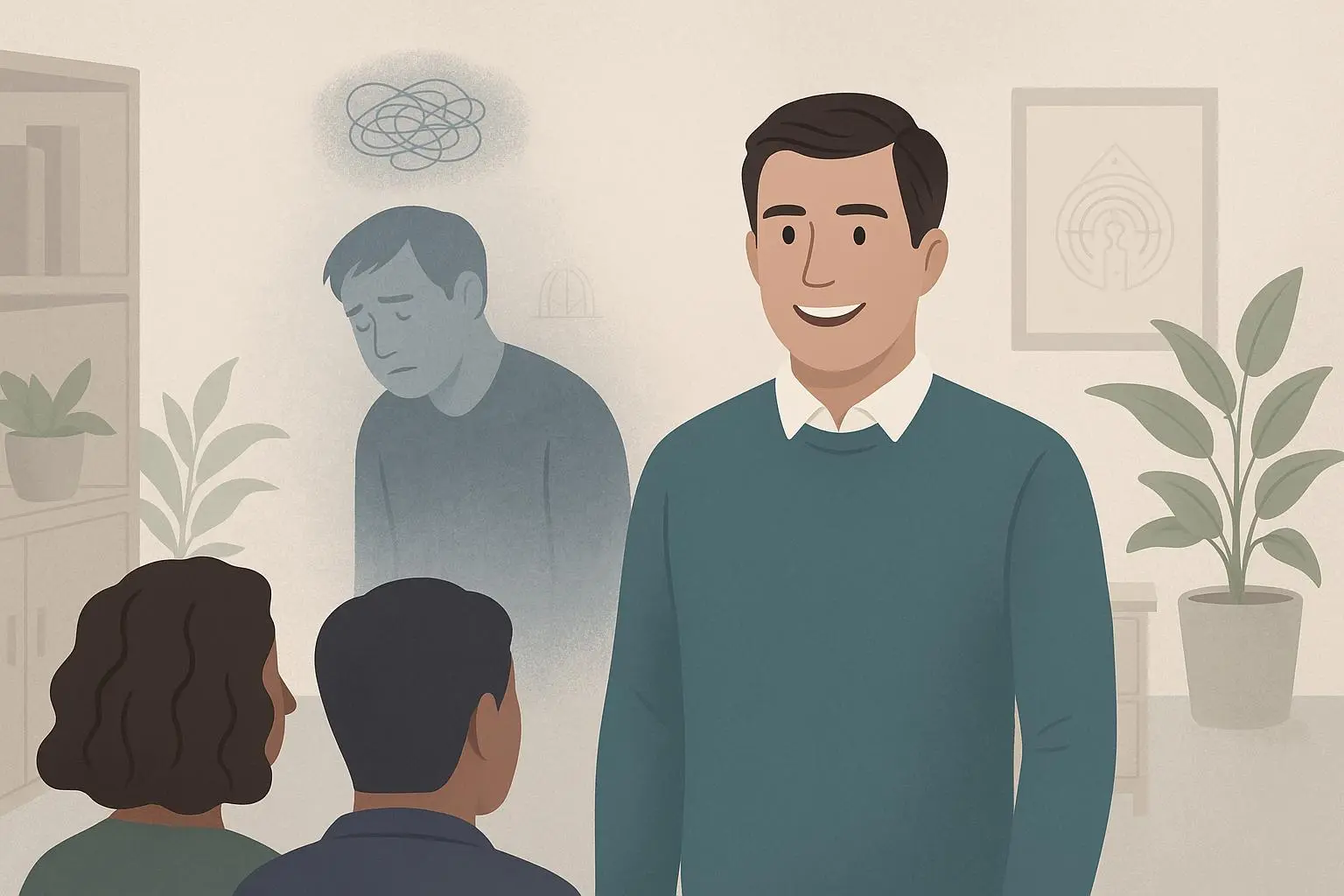
High‑functioning depression can be deceptively silent. On the surface, individuals may appear successful and engaged. But beneath the surface, they wrestle with chronic sadness, exhaustion, and emotional numbness day after day. Often associated with persistent depressive disorder (PDD)—formerly dysthymia—it involves enduring low mood for at least two years even when outward life seems on track.

While High-Functioning Depression (HFD) is not an official diagnosis, it has been adopted as a descriptive term for persistent low-grade depression masked by external functioning. To that end, many people with HFD continue working, parenting, or engaging socially—even while deep inside they feel disconnected and depleted.

Subtle Signs

  1. Persistent Low Mood or Emotional Numbness
    Even during positive or neutral moments, one may feel stuck in sadness or void—what clinicians call anhedonia, the loss of pleasure in previously enjoyable activities.
  2. Chronic Fatigue Despite Adequate Sleep
    A restful night doesn’t translate into rest. Energy is spent just keeping up with life’s demands.
  3. Perfectionism & Inner Criticism
    Individuals often set impossibly high standards and judge themselves harshly when those standards inevitably slip.
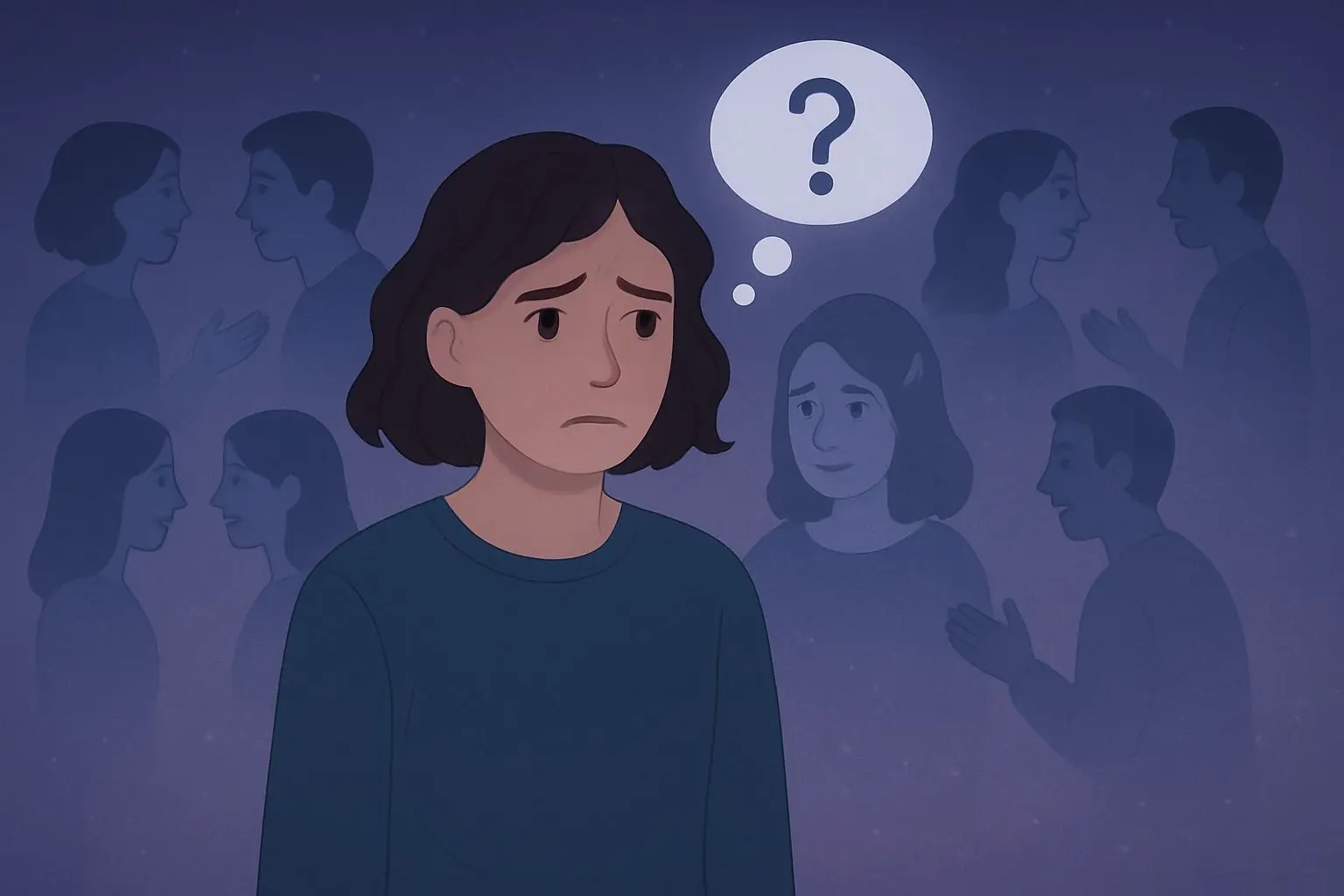
  4. Social Withdrawal or Isolation
    Even in groups, someone with HFD can feel disconnected or zoned out, preferring surface‑level interactions that feel safer emotionally.
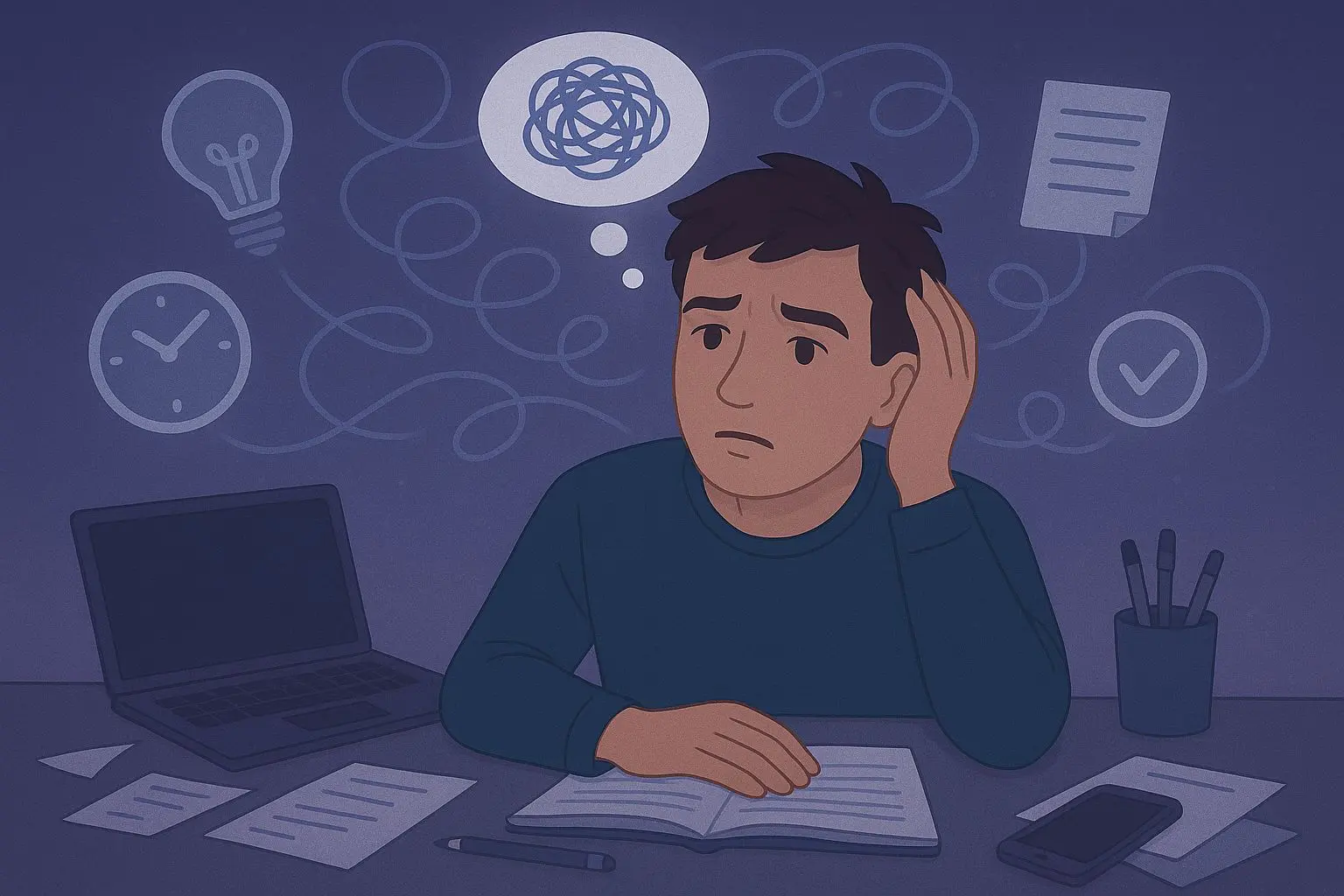
  5. Difficulty Concentrating or Making Decisions
    What seems minor to others, like sending an email, may feel like climbing a mountain internally.
  6. Changes in Sleep or Appetite
    Insomnia, oversleeping, loss of appetite or eating more for comfort are common physical signs accompanying emotional strain.
  7. Escaping Through Mindless Habits
    Scrolling endlessly, binge-watching, or overworking can serve as emotional shields with ephemeral escape.

Oftentimes, people miss the signs of someone close to them struggling with HFD. How could someone with consistent achievements be dealing with this? Moreover, individuals will mask their pain to avoid judgment or stigma. 

Regardless, there are typical factors that result in HFD: biological, like a family history of depression; chronic stress; trauma; or even personality traits, like people-pleasing tendencies. All of these can be confronted with treatment. 

Evidence-based approaches like Cognitive-Behavioral Therapy (CBT) can help reshape self-critical thoughts, challenge avoidance patterns, and rebuild motivation and joy. 

Selective serotonin reuptake inhibitors (SSRIs) and other prescriptions, especially when combined with therapy for persistent symptoms, are viable treatment options. 

And ultimately, self care and lifestyle choices, including building external support, is vital. Regular exercise supports brain health and mood, proper nutrition can support overall energy, and other personal choices, including sleep hygiene, can make a positive impact. 

At Behr Psychology (behrpsychology.com), we specialize in helping individuals who look fine on the outside but feel anything but on the inside.

  • Personalized support: Our psychologists understand that high-functioning depression is subtle—and treatable.

  • Confidential and compassionate therapy: We provide evidence-based care tailored to your lifestyle and emotional needs.

  • Flexible scheduling: Evening and weekend slots available to accommodate busy lives, as well as remote options.

If you’re exhausted, detached, or emotionally numb, but still managing day to day, you’re not alone. Struggling doesn’t mean weakness; it means you’re human. Healing is possible. You deserve relief.

Take a step toward clarity and care. Visit behrpsychology.com and schedule a consultation.

Related articles

New Treatment Options

New Treatment Options

New Treatment Options

New Treatment Options

New Treatment Options

New Treatment Options

New Treatment Options

New Treatment Options

Mental Health Blog

New Treatment Options

December 15, 2025

New Treatment Options

November 15, 2025

New Treatment Options

November 1, 2025

Make your mental health a priority.

Send us a direct message