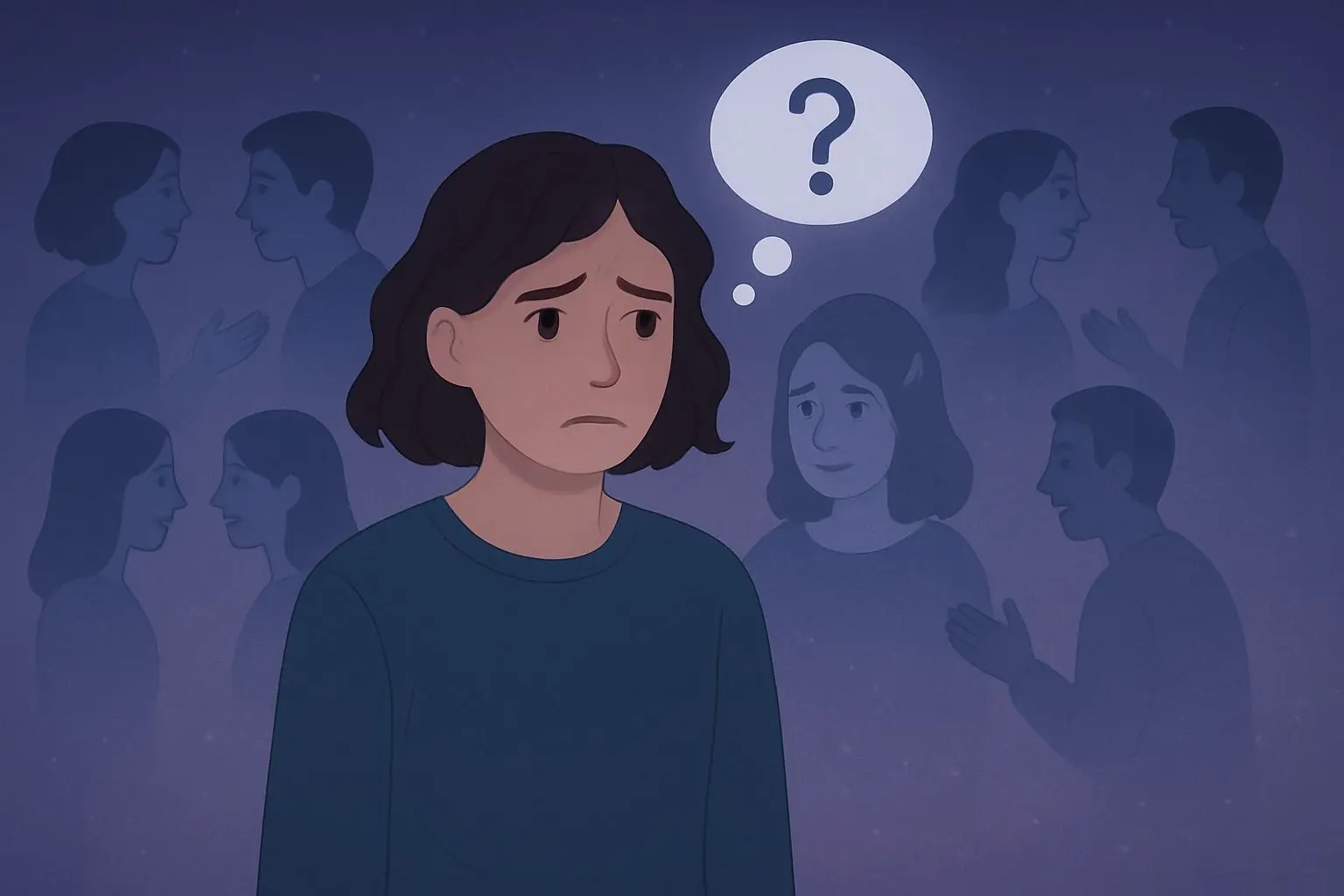
Oftentimes, people miss the signs of someone close to them struggling with HFD. How could someone with consistent achievements be dealing with this? Moreover, individuals will mask their pain to avoid judgment or stigma.
Regardless, there are typical factors that result in HFD: biological, like a family history of depression; chronic stress; trauma; or even personality traits, like people-pleasing tendencies. All of these can be confronted with treatment.
Evidence-based approaches like Cognitive-Behavioral Therapy (CBT) can help reshape self-critical thoughts, challenge avoidance patterns, and rebuild motivation and joy.
Selective serotonin reuptake inhibitors (SSRIs) and other prescriptions, especially when combined with therapy for persistent symptoms, are viable treatment options.
And ultimately, self care and lifestyle choices, including building external support, is vital. Regular exercise supports brain health and mood, proper nutrition can support overall energy, and other personal choices, including sleep hygiene, can make a positive impact.
At Behr Psychology (behrpsychology.com), we specialize in helping individuals who look fine on the outside but feel anything but on the inside.
- Personalized support: Our psychologists understand that high-functioning depression is subtle—and treatable.
- Confidential and compassionate therapy: We provide evidence-based care tailored to your lifestyle and emotional needs.
- Flexible scheduling: Evening and weekend slots available to accommodate busy lives, as well as remote options.
If you’re exhausted, detached, or emotionally numb, but still managing day to day, you’re not alone. Struggling doesn’t mean weakness; it means you’re human. Healing is possible. You deserve relief.
Take a step toward clarity and care. Visit behrpsychology.com and schedule a consultation.